Weight Loss Tracker Pro: Daily Weight Changes
Weight Loss Tracker Pro explains why weight changes overnight, when to weigh, and how charts reveal a trend beyond one daily number.
 Weight Loss Tracker Pro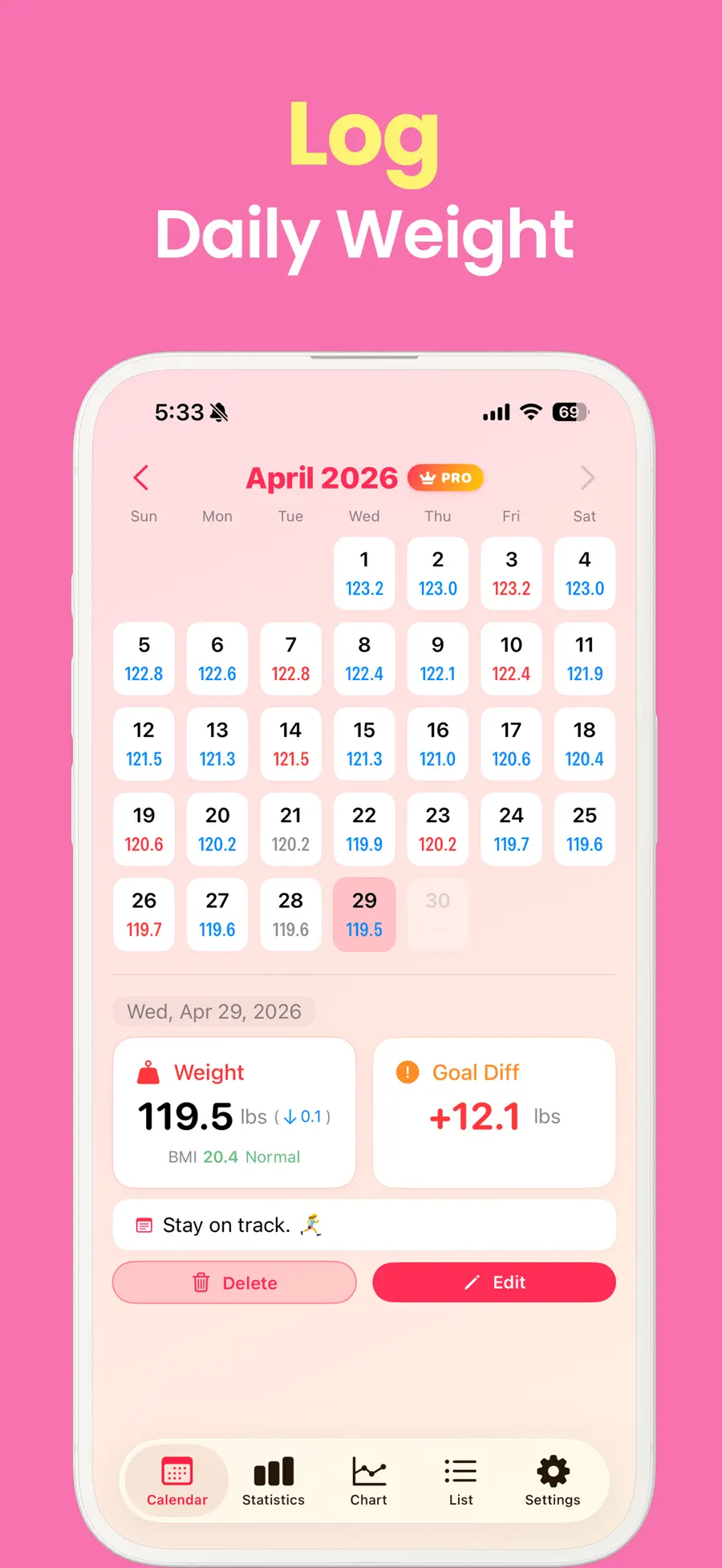

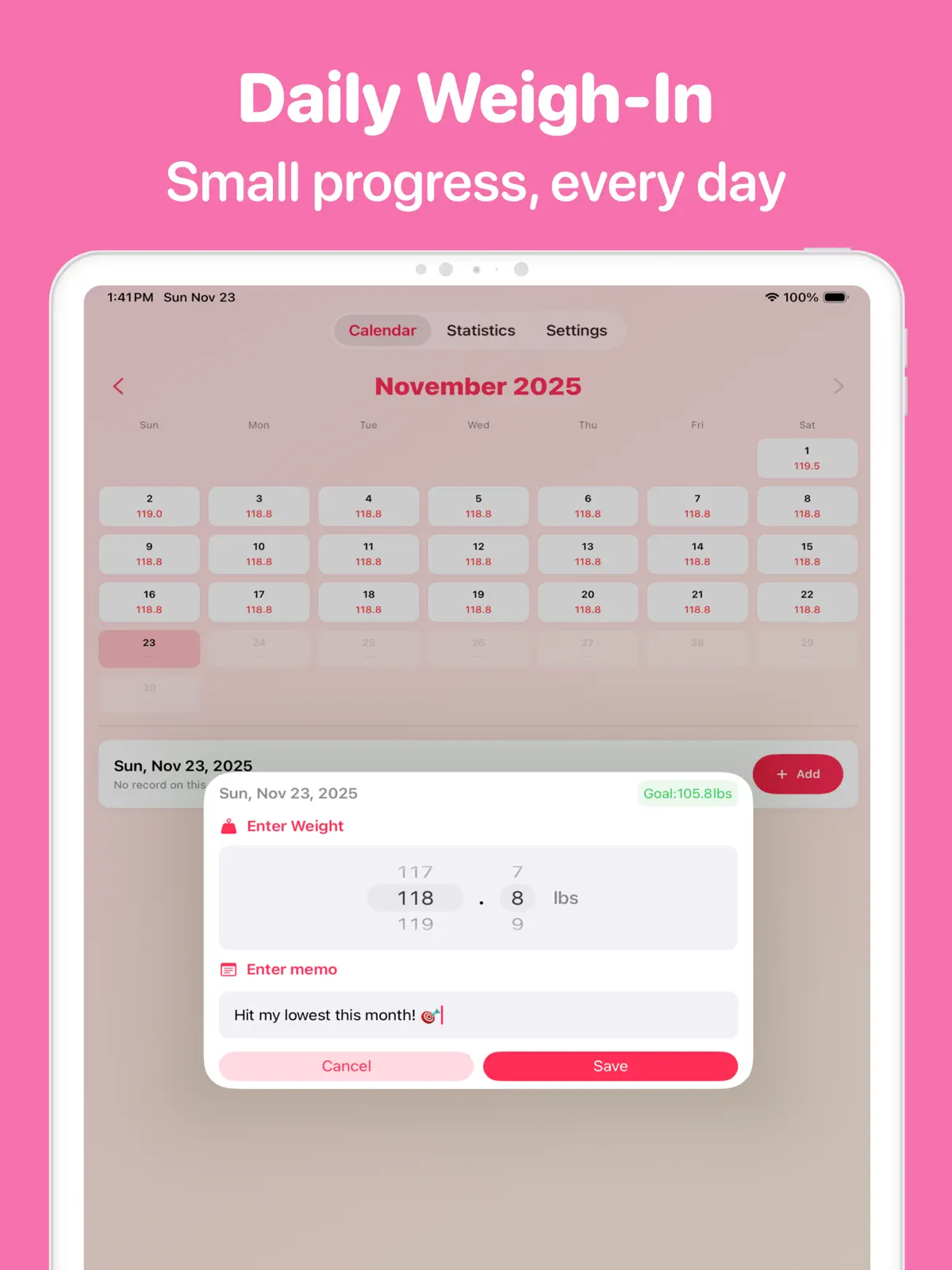
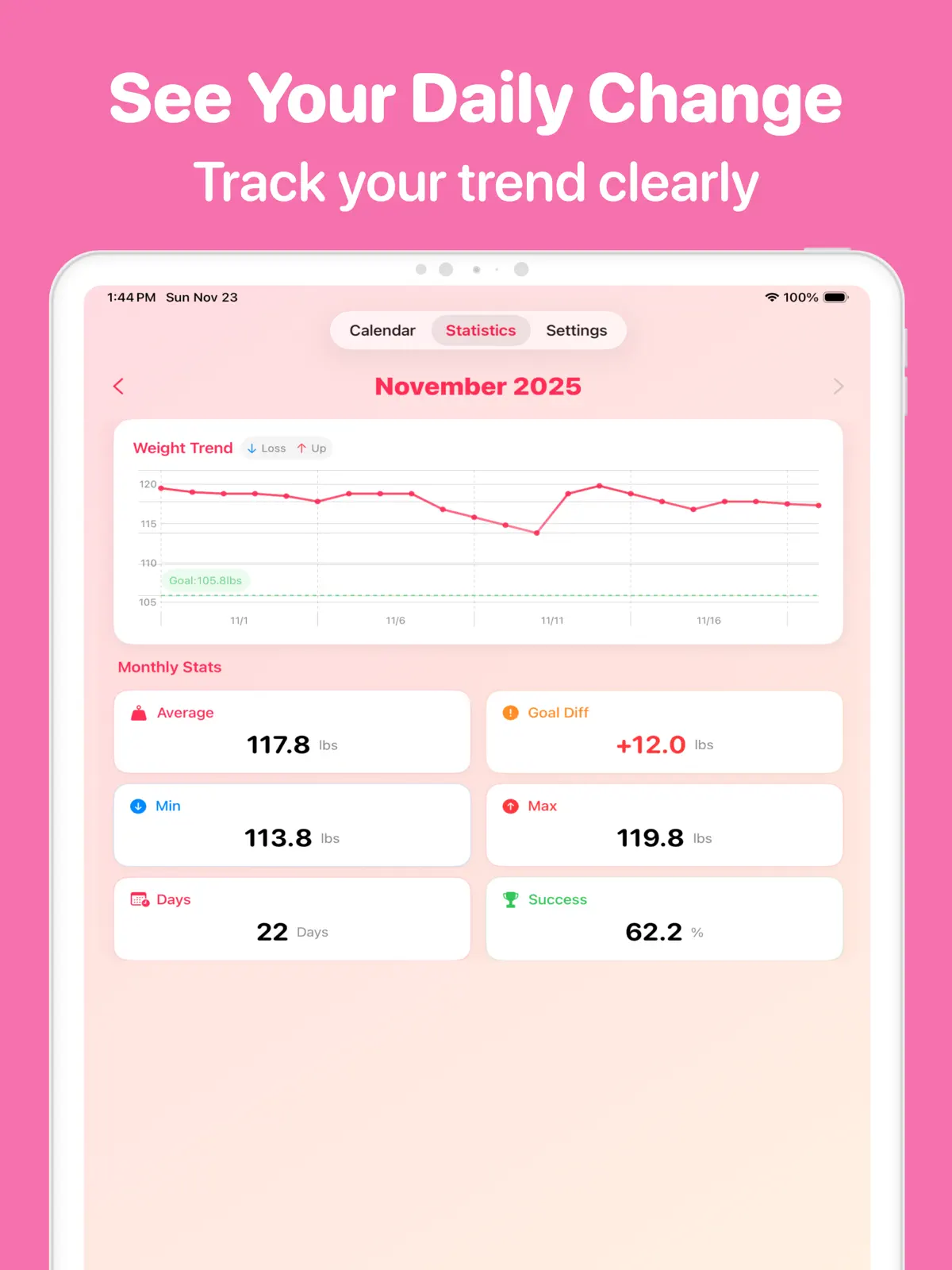
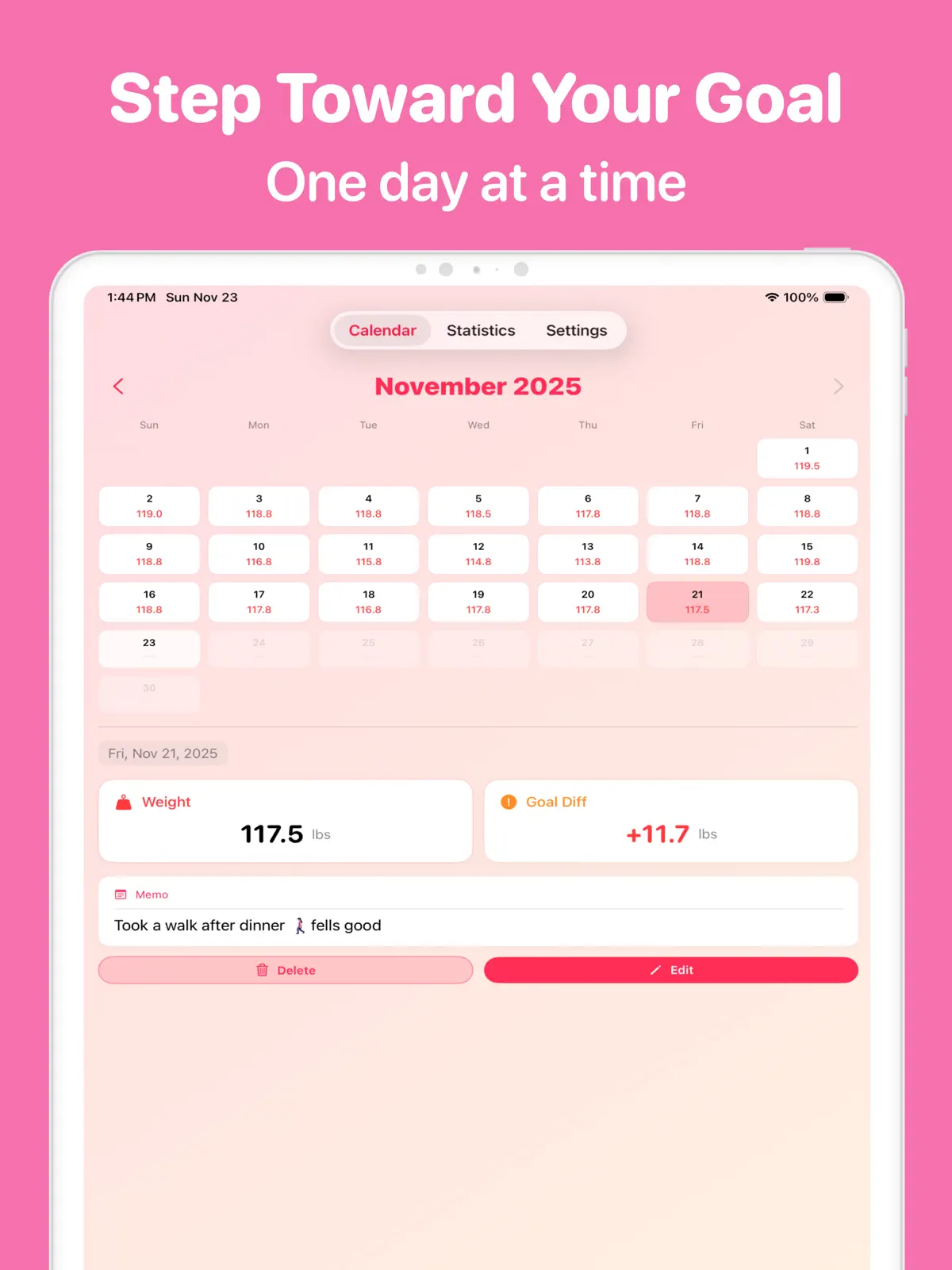
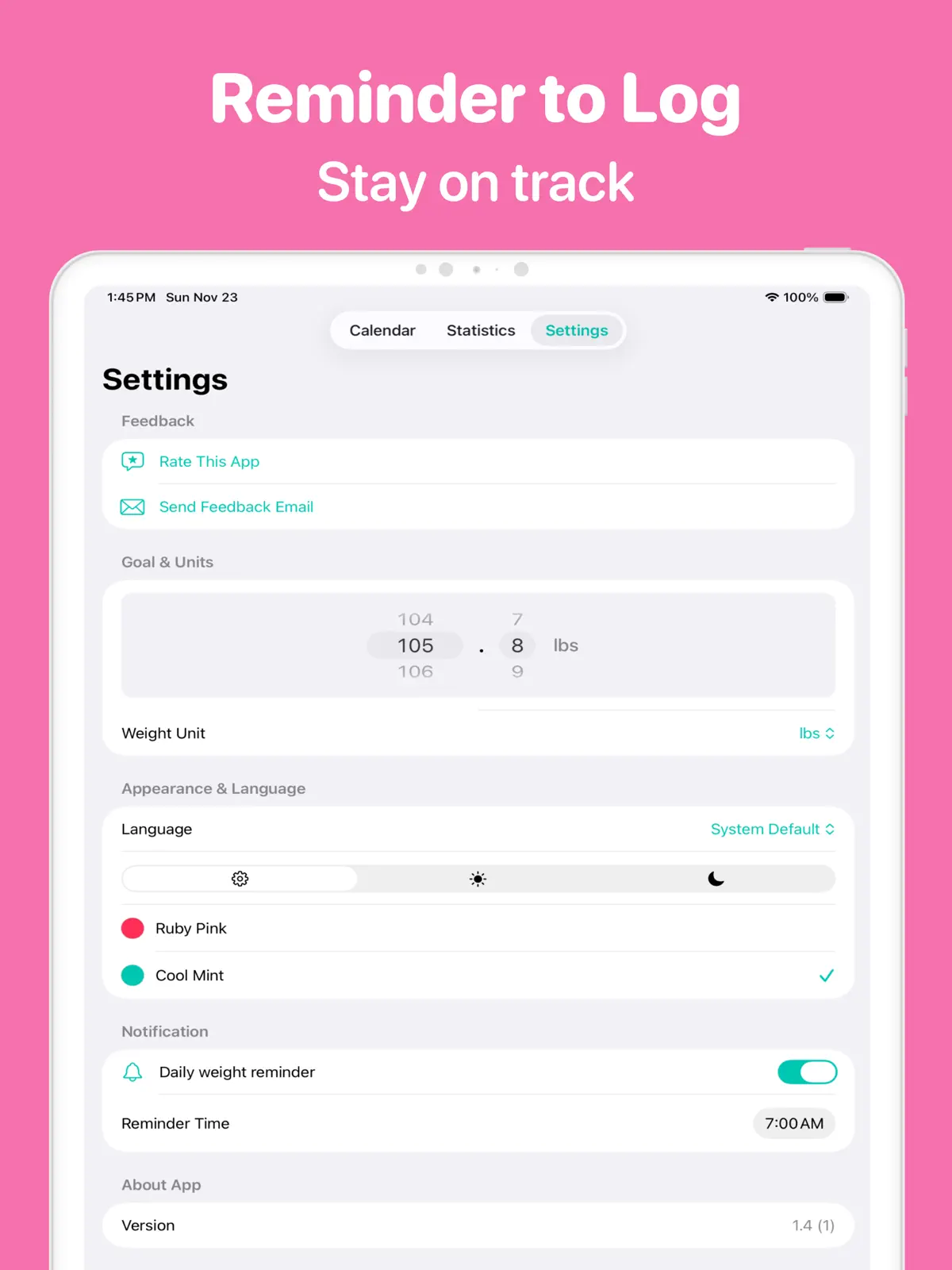
You followed your plan yesterday, yet the scale is higher this morning. Did you gain body fat overnight? Usually, one weigh-in cannot answer that question. Food and fluid still being digested, sodium, carbohydrates, exercise, hormones, stress, and changes in routine can all move the scale before a longer-term change becomes clear.
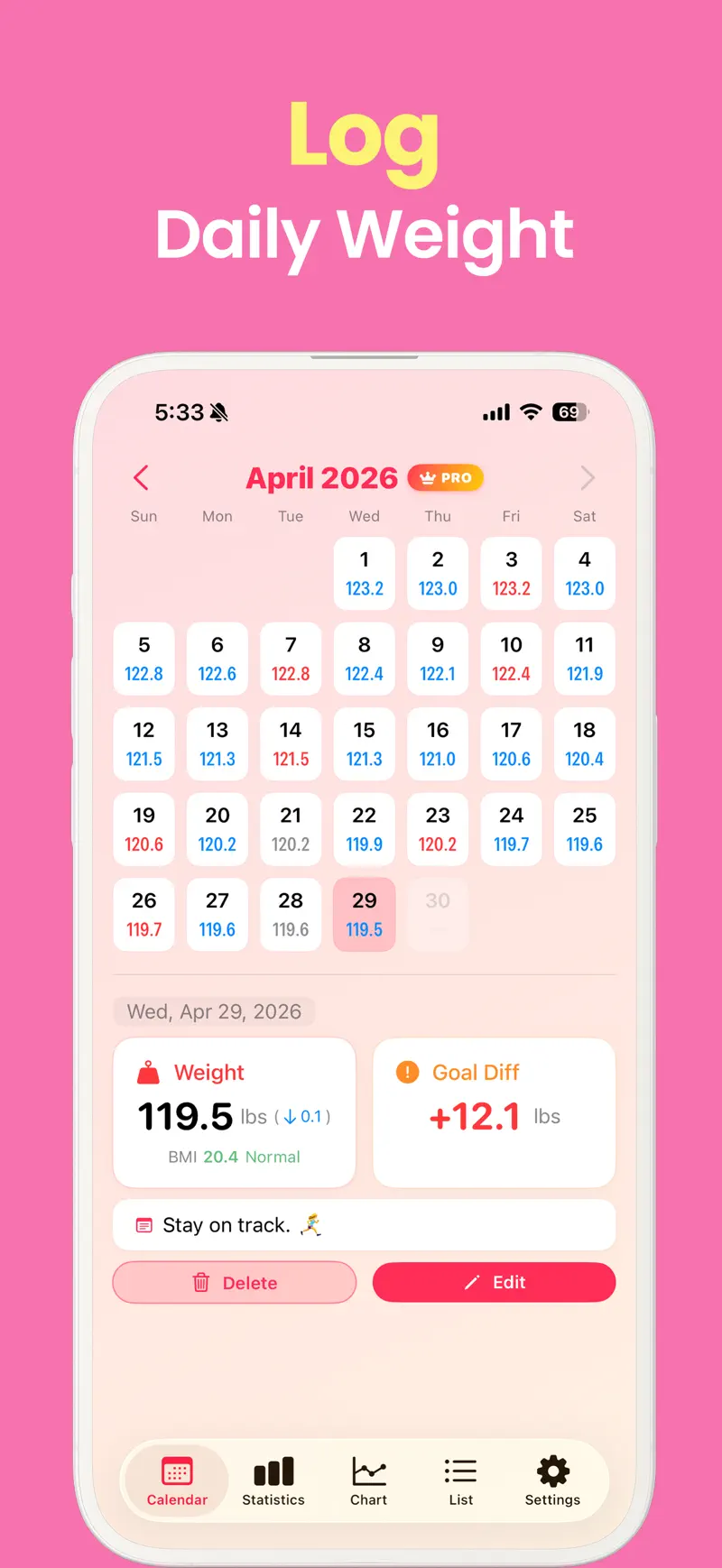
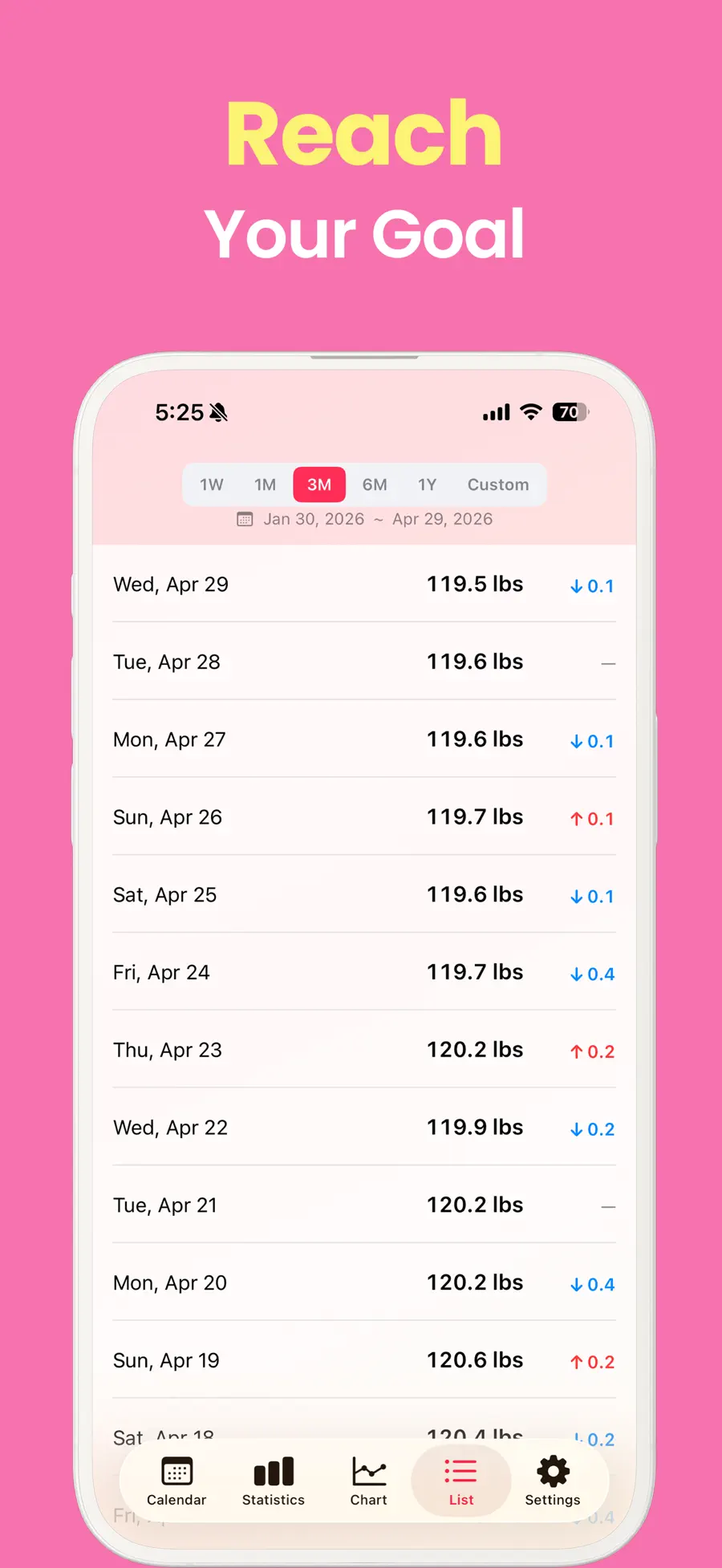
The short answer: weigh under comparable conditions and judge a series of measurements, not one isolated result. Weight Loss Tracker Pro gives iPhone and iPad users a calendar, dated list, and charts for separating the daily noise from the direction of travel.
Why can weight change from one day to the next?
Body weight includes far more than body fat. It also reflects water, food and drink in the digestive system, muscle, bone, and other tissue. That is why a short-term change on the scale is not automatically an equivalent gain or loss of fat.
According to Cleveland Clinic’s guide to weight fluctuations, common short-term influences include water retention, meals, physical activity, hormonal changes, stress, medication, and travel. A carbohydrate- or sodium-heavy meal can temporarily increase retained water. A new workout can also affect the number without telling the whole story of your progress.
Use a note beside a measurement when context may matter later:
- Restaurant meal or unusually salty food
- Strength workout or long endurance session
- Travel, poor sleep, or a changed routine
- Menstrual-cycle or medication change
- Illness or an unexplained symptom
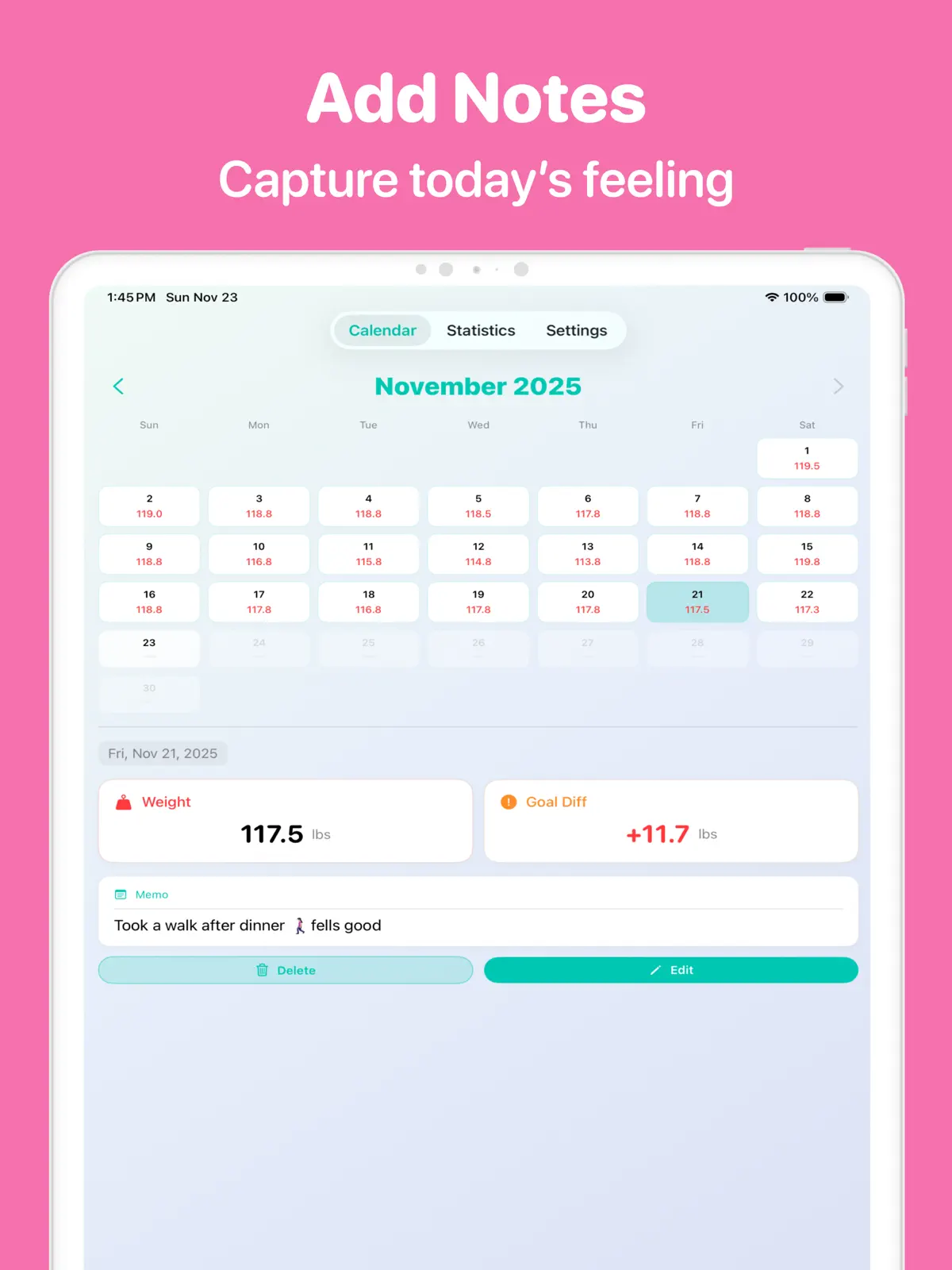
The memo and emoji fields in Weight Loss Tracker Pro let you keep that context beside the date instead of trying to reconstruct it weeks later.
What is the best time to weigh yourself?
Consistency matters more than finding a “perfect” number. The NHS guide to recording weight recommends using the same scale in the same location, on a firm and level floor, at the same time of day—preferably in the morning—and wearing similar, minimal clothing.
A repeatable home routine can be this simple:
- Put the scale on the same hard, level surface.
- Weigh after using the bathroom and before breakfast.
- Wear no shoes and similar clothing each time.
- Stand still with weight distributed across both feet.
- Record the result immediately so memory does not round it up or down.
If mornings do not work for you, choose another repeatable time. Comparing like with like is the useful part.
Should you weigh daily or weekly?
Both schedules can produce a useful record. The better choice is the one that gives you information without making the scale dominate your day.
| Schedule | Useful when | How to read it |
|---|---|---|
| Daily | You are comfortable seeing normal ups and downs | Look at the multi-week line, not yesterday versus today |
| Weekly | Daily numbers feel distracting or your plan calls for fewer check-ins | Use the same weekday, time, scale, and conditions |
The National Institute of Diabetes and Digestive and Kidney Diseases recommends weighing at least weekly when tracking progress in its type 2 diabetes prevention guidance. Your clinician may recommend a different schedule for pregnancy, heart or kidney conditions, medication changes, athletic training, or another specific need; follow that individualized advice.
If weighing triggers anxiety, guilt, restrictive eating, or compulsive checking, step back and speak with a qualified healthcare professional. More data is not automatically better data.
How do you read a weight trend without overreacting?
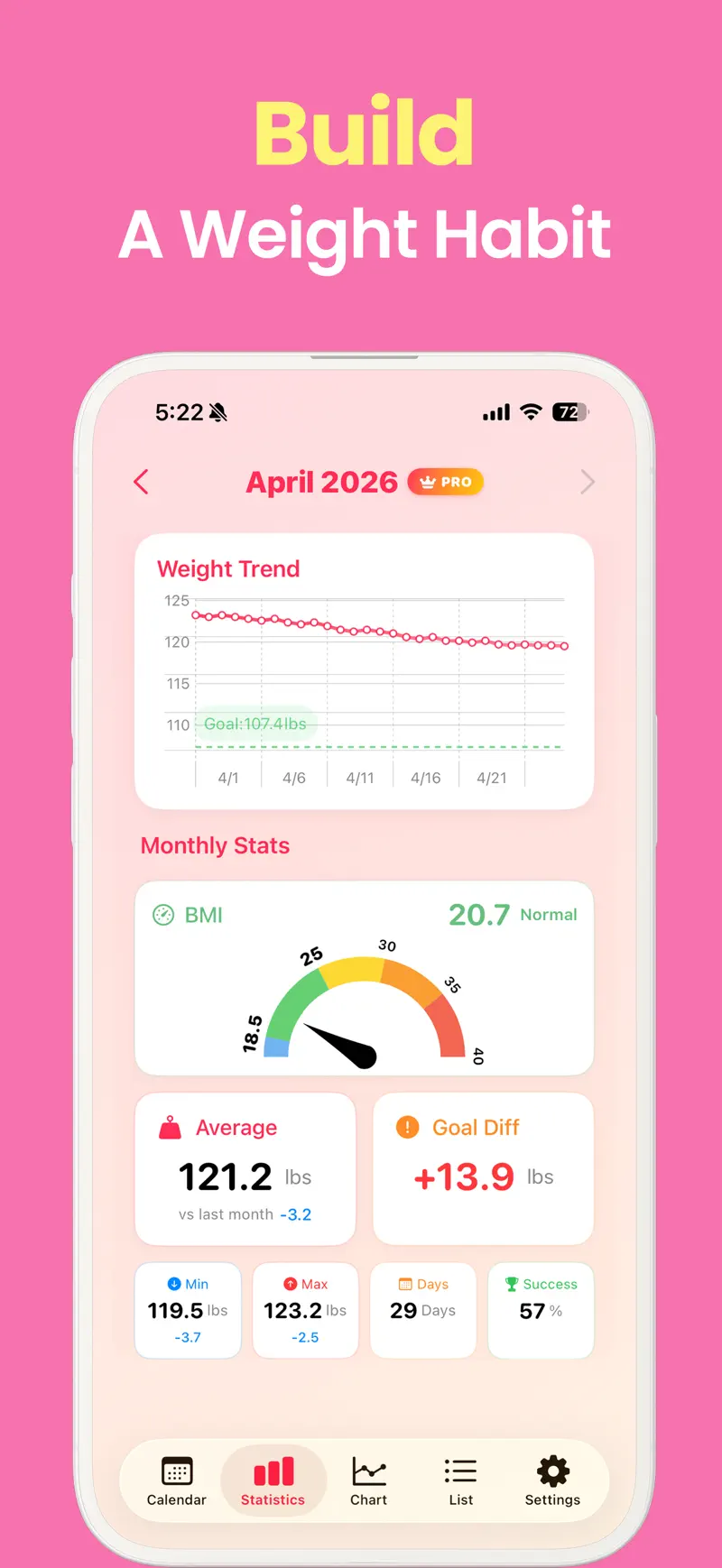
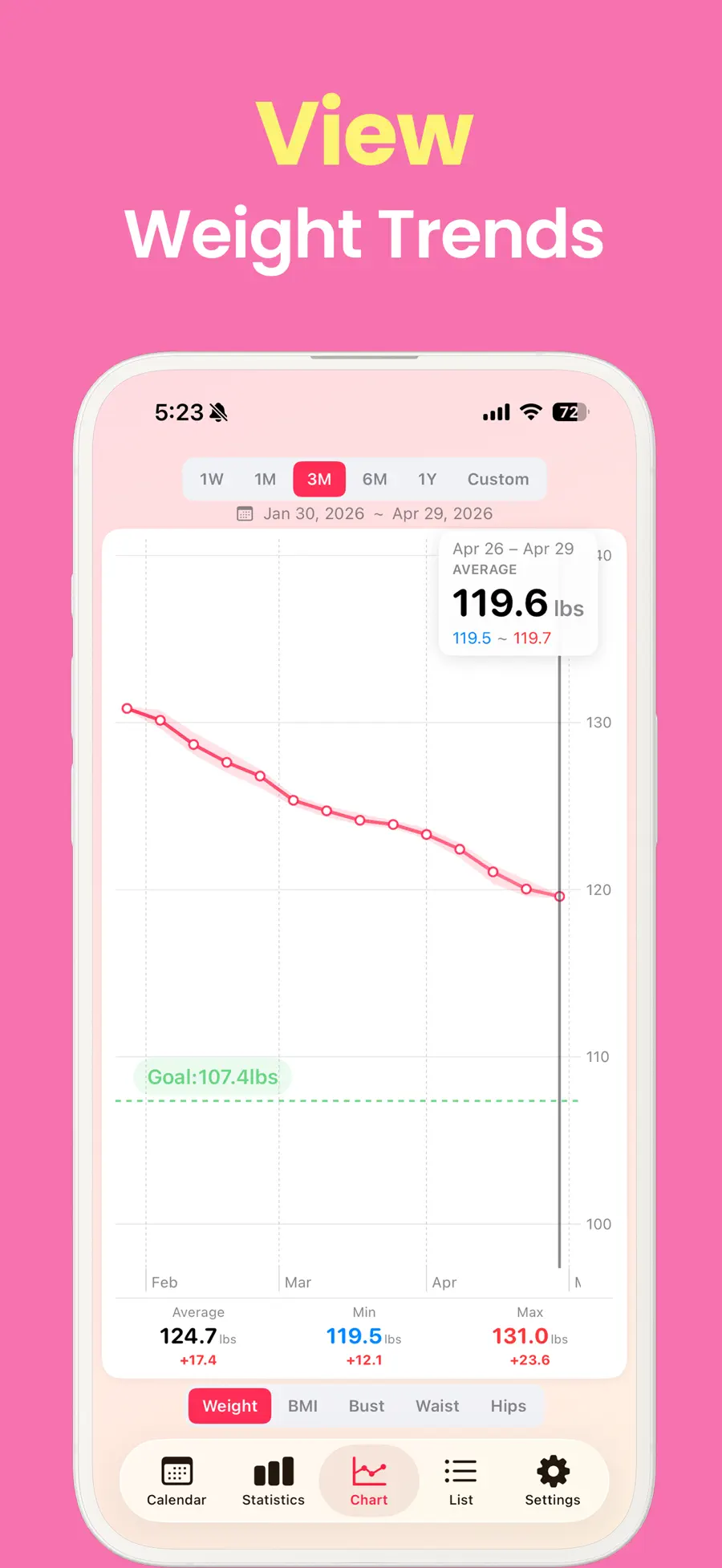
Start by widening the time window. A single point answers “what did the scale show today?” A chart answers a more useful question: “what direction has the series taken over several weeks?”
Try this weekly review:
- Open the weight chart and select a period long enough to show a pattern.
- Compare similar periods rather than the highest and lowest individual days.
- Read any notes attached to unusual points.
- Check whether the overall line is moving toward, away from, or around your goal.
- Change one behavior only when the pattern—not one surprise reading—supports it.
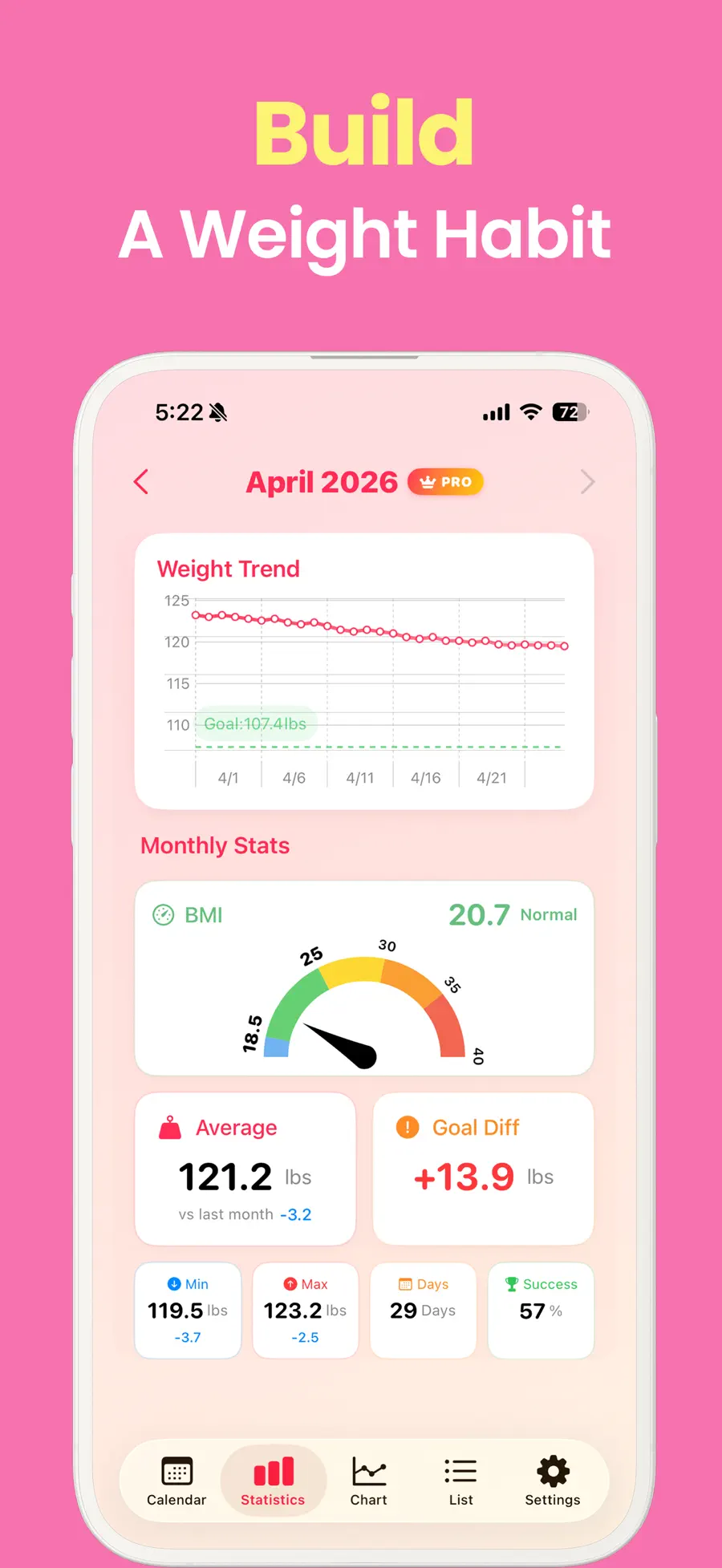
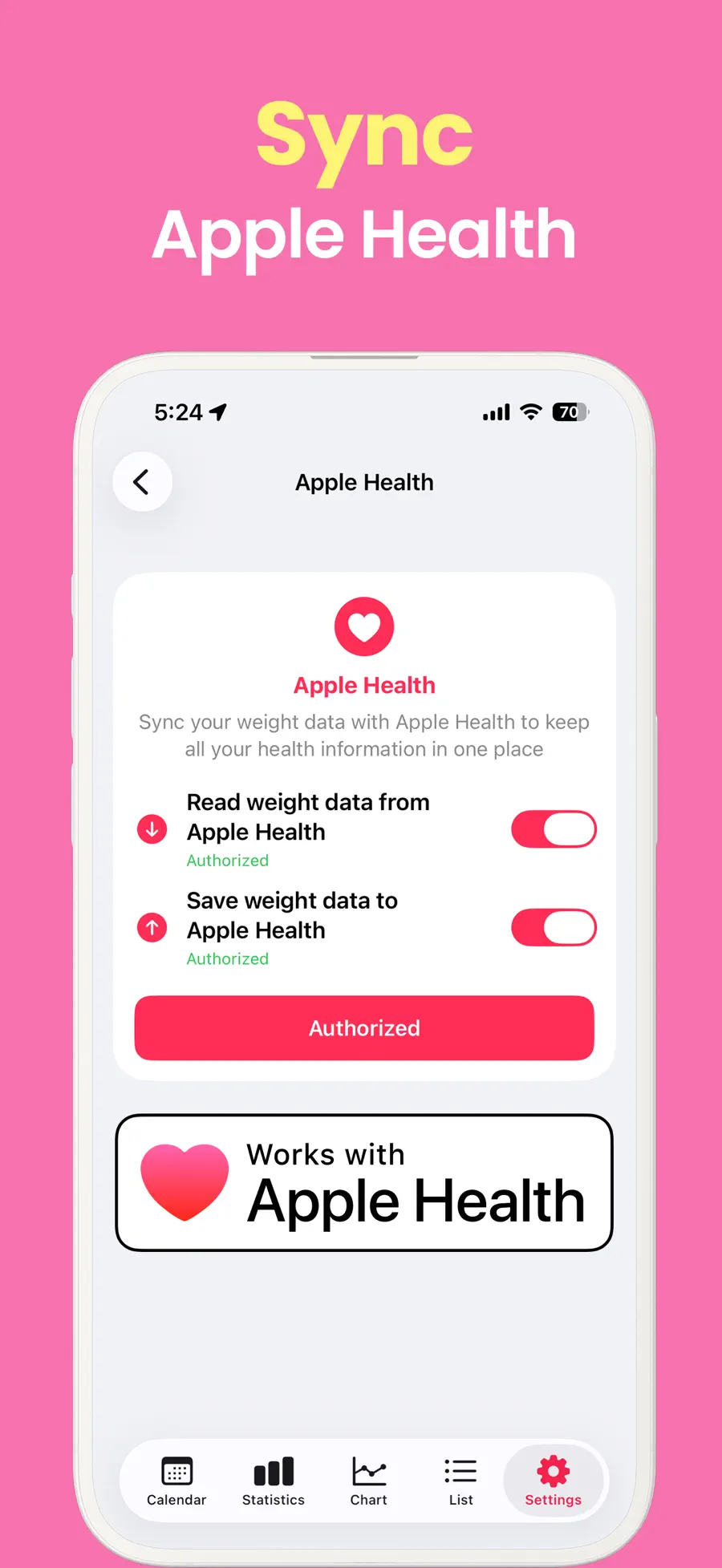
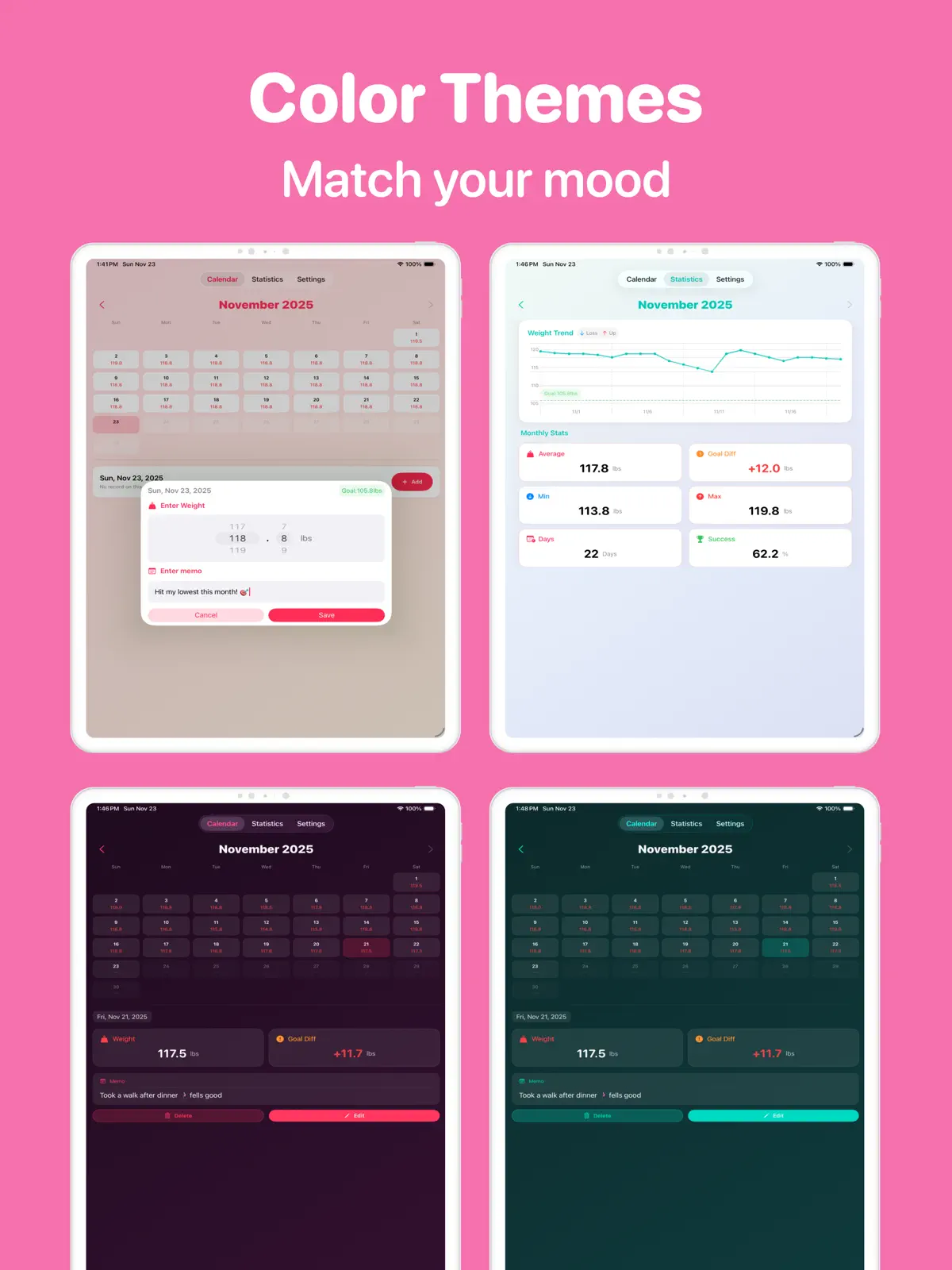
Weight Loss Tracker Pro offers a basic history plus Pro chart ranges for one week, one month, three months, six months, one year, or a custom period. The official App Store screenshots also show Apple Health read-and-write controls, so weight data can be kept with other permitted health information when you choose to authorize it.
A practical tracking setup on iPhone
Set one reminder for your chosen measurement time. Enter the number, add a short note only when it adds meaning, and leave the analysis for a scheduled weekly review. This separates collecting data from reacting to data.
If you are still building the routine, use the 10-second weight-tracking habit guide. When you are ready to compare chart ranges, see the features and current screenshots for Weight Loss Tracker Pro.
Frequently asked questions
Did I gain fat if the scale went up overnight?
An overnight increase alone does not establish a change in body fat. Water retention, food and fluid in digestion, activity, hormones, and other factors can affect a short-term reading. Review the longer pattern and discuss rapid or unexplained changes with a healthcare professional.
Is morning the only correct time to weigh?
No. Morning is often recommended because conditions can be easier to repeat. If another time fits your life better, use the same time, scale, location, and similar clothing for more comparable measurements.
Should I enter a missed day from memory?
Only if you have the actual measurement recorded elsewhere. A blank date is more honest and useful than an estimated number presented as measured data.
Turn scale readings into a useful record
Today’s number is one observation, not a verdict on yesterday. Measure under similar conditions, preserve useful context, and let several weeks of entries reveal the trend. Download Weight Loss Tracker Pro from the App Store using the button on this page, or review its app page before you begin.
Get Weight Loss Tracker Pro
Weight Loss Tracker Pro explains why weight changes overnight, when to weigh, and how charts reveal a trend beyond one daily number.
4.7 · 799